
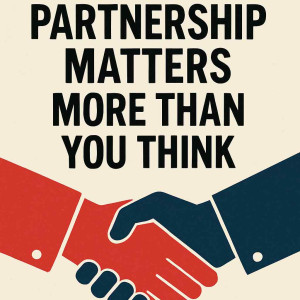
 After addressing the control myth, the conversation moves into something even more important. Franchising is not just a business model. It is a long-term relationship.
Q: What is the relationship between a franchisor and franchisee really like?
It is much closer to a long-term partnership than a simple business transaction. When you bring on a franchisee, you are not just collecting a fee and a royalty. You are entering into a relationship that can last 10 years or more. That is often longer than many marriages. Because of that, the success of the system depends heavily on how strong those relationships are.
Q: What happens if franchisors treat franchisees like employees?
It creates a weak and often frustrating system. Some companies say they treat franchisees just like company operators and simply tell them what to do. That approach ignores the fact that franchisees are independent business owners. When you remove the partnership aspect and replace it with command and control, the relationship becomes strained and ineffective.
Q: Why is alignment between franchisor and franchisee so important?
Because misalignment leads to failure, even when the business model is strong. Differences in communication style, expectations, and leadership approach can cause relationships to break down. Franchising introduces multiple long-term relationships into your business, and each one requires attention, respect, and alignment to succeed.
Q: What kind of relationship should franchisors aim to build?
A collaborative, two-way relationship. Strong franchise systems are built on mutual respect, where both parties bring value to the table. Franchisees are not there to simply follow orders. They bring ideas, experience, and local knowledge that can improve the system.
Q: What is the risk of a command-and-control culture in franchising?
You miss out on innovation. Some of the most successful ideas in franchising have come from franchisees, not corporate leadership. Products like pan pizza at Pizza Hut and the Big Mac at McDonald’s originated from franchise operators. Those ideas only surface in environments where input is encouraged and valued.
Q: What is the biggest takeaway about franchising relationships?
Franchising works best when it is treated as a partnership. It is not about control or compliance alone. It is about building a system where both franchisor and franchisee contribute to the success of the brand. The stronger the relationship, the stronger the system.
In the next post, we will explore why franchising requires more preparation than running a single successful business and what it takes to transfer your knowledge to others.
Join us for this excerpt from episode 9 of The Franchise Manual Podcast with Kit Vinson, owner of FranMan Franchise Manuals. This blog series is designed to give you clear, practical answers to common franchise questions. In this episode, Kit interviews Jim Richardson, franchise veteran with more than 35 years of experience, who held leadership roles at big names like Pizza Hut and Panda Express and helped scale thousands of locations across multiple markets.
Enjoy the Q&A below, listen to the full podcast, or do both. You can find episode 9 at the link below.
The Franchise Manual Podcast – Episode #9 – Franchising as a Partnership
This blog series is designed to give you clear, practical answers to common franchise questions. In this episode, Kit interviews Jim Richardson, a 35-year franchise veteran who held leadership roles at Pizza Hut and Panda Express and helped scale thousands of locations across multiple markets.

