
What Is the Difference Between Licensing and Franchising (Q&A Guide)
Join us for this excerpt from episode 27 of The Franchise Manual Podcast with Kit Vinson, owner of FranMan. This blog series is designed to give you clear, practical answers to common franchise questions. In this episode, Kit interviews Rob Vinson, an experienced franchise attorney, for an in-depth discussion on the legal and practical differences between licensing and franchising. Enjoy the Q&A below, listen to the full podcast, or both. You can find episode 27 at the link below.
The Franchise Manual Podcast – Episode #27 – Franchising 101
Many business owners begin by exploring licensing as a way to expand their business, only to discover later that they are actually operating as a franchise in the eyes of the law. This confusion is common and can lead to serious legal consequences. Understanding the difference between licensing and franchising is essential for anyone considering business expansion.
Q: Is franchising a type of licensing?
A: Yes. Franchising is a specific and more regulated form of licensing. While all franchises involve licensing, not all licensing arrangements are franchises.
Q: What is the main difference between licensing and franchising?
A: Licensing typically involves granting someone the right to use intellectual property such as a brand name, logo, or product formula. Franchising also involves licensing intellectual property, but it goes further by providing a complete business system along with brand standards, training, and ongoing support.
Q: How do I know if I am really franchising and not just licensing?
A: In the United States, a business relationship is considered a franchise if it meets three legal elements. First, the licensee has the right to use the licensor’s trademark. Second, the licensor provides significant control or significant assistance in how the business operates. Third, the licensee pays a fee of at least 500 dollars before or within the first six months of operation. If all three elements are present, it is legally a franchise, even if you call it a license.
Q: Why does it matter if I accidentally become a franchise?
A: Operating a franchise without complying with franchise laws can result in severe penalties. These can include being forced to offer refunds to franchisees, paying fines, facing lawsuits, or being barred from franchising in certain states. The Federal Trade Commission and franchise registration states monitor violations closely.
Q: Can I avoid franchise laws by removing one of the three legal elements?
A: Some business owners try to avoid franchise laws by eliminating training, avoiding brand use requirements, or not charging fees. However, regulators look at the substance of the relationship rather than the wording of a contract. If it functions like a franchise, it will likely be treated as one legally.
Q: Why is franchising more regulated than licensing?
A: Franchising is more heavily regulated because it typically involves a greater financial investment from the buyer and implies reliance on the franchisor’s expertise and system. The regulations are designed to prevent fraud and protect franchise buyers through required disclosures and legal documentation.
Final Thoughts
Licensing is focused on intellectual property rights, while franchising includes a complete business model with brand standards, training, and support. The legal definition of franchising is clear, and many business owners mistakenly cross the line without realizing it. Understanding the difference now can help prevent costly mistakes later. In the next article, we will explore how to determine whether your business already meets the legal definition of a franchise.
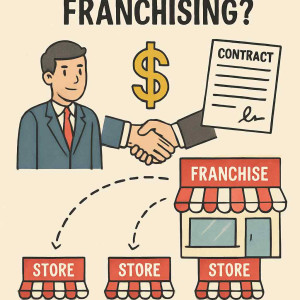 If you have ever wondered how businesses like 7-Eleven, Panda Express, or Häagen-Dazs grew across the country so quickly, the answer is simple: franchising. In this Q&A guide, we break down the fundamentals in plain English so aspiring business owners and emerging franchisors can understand exactly what franchising is and how it works.
